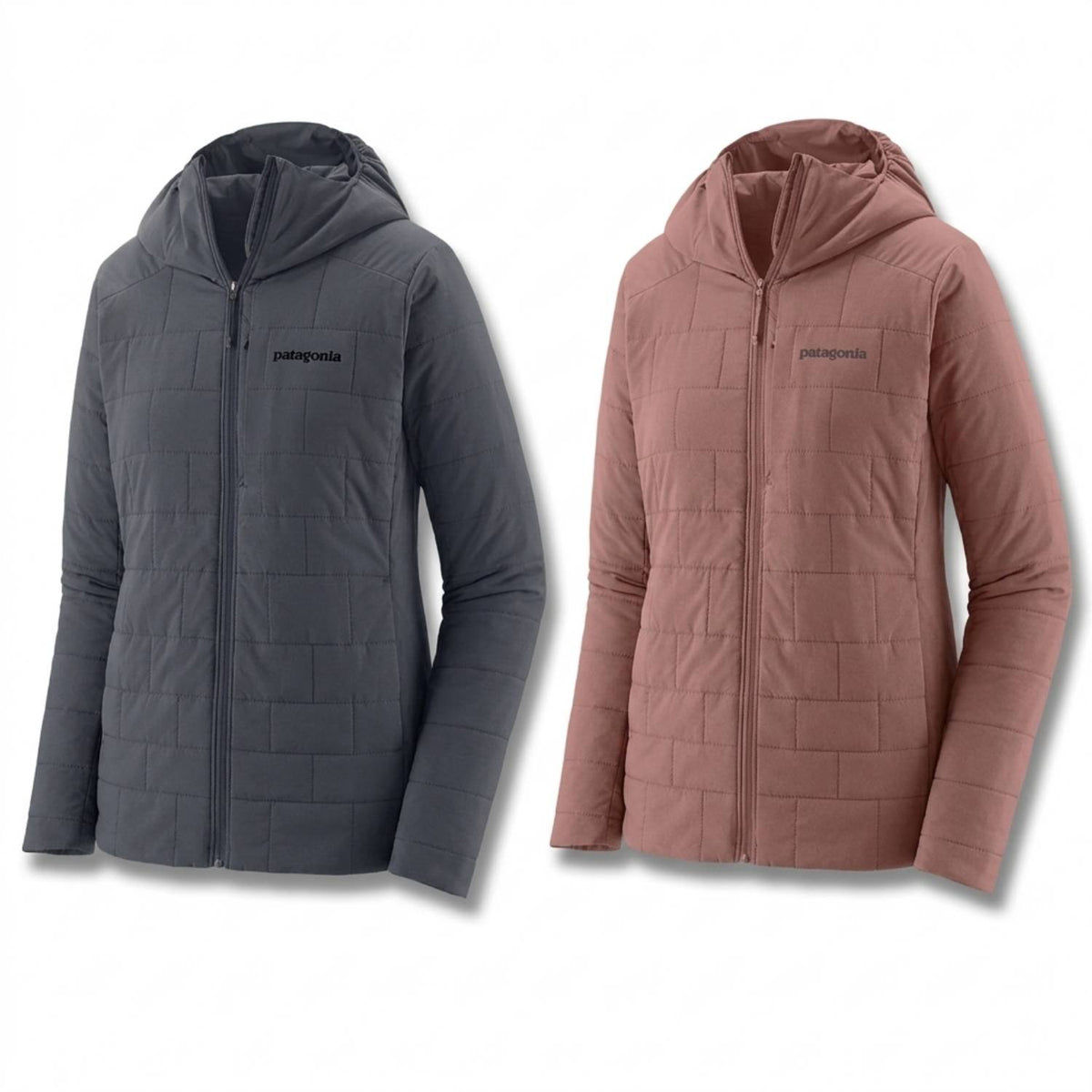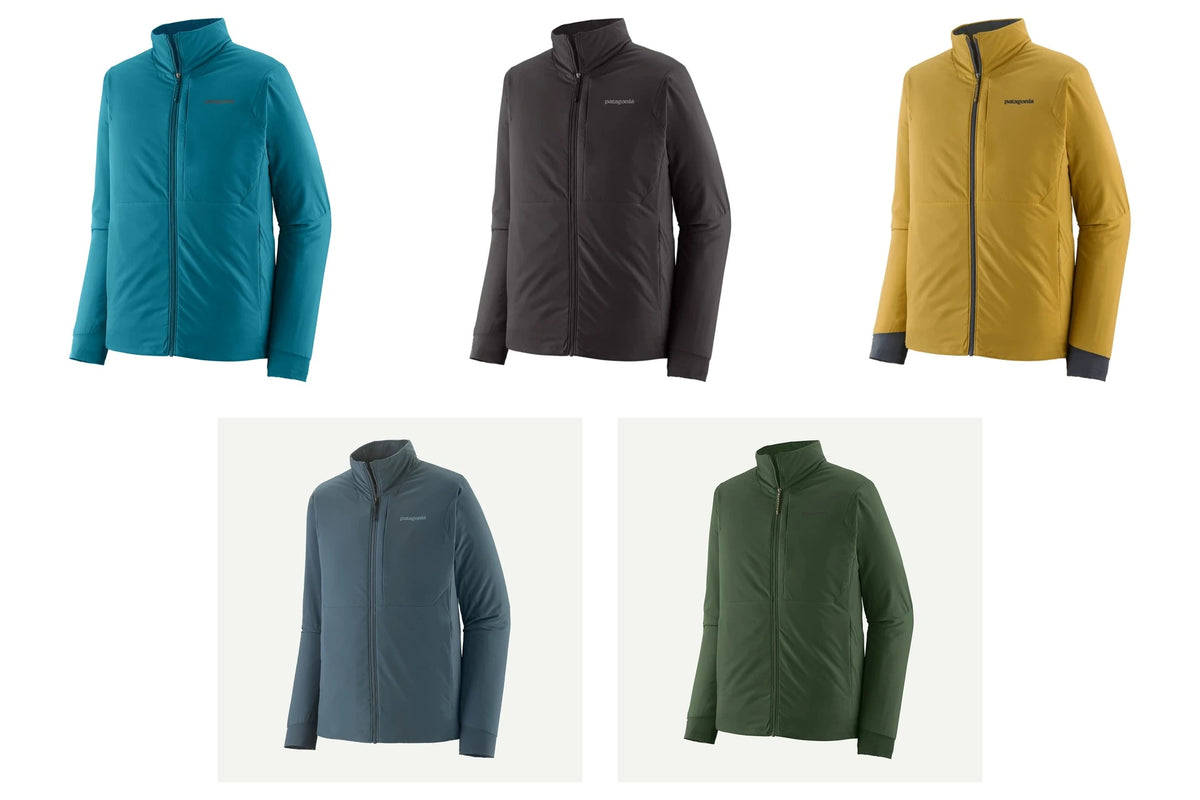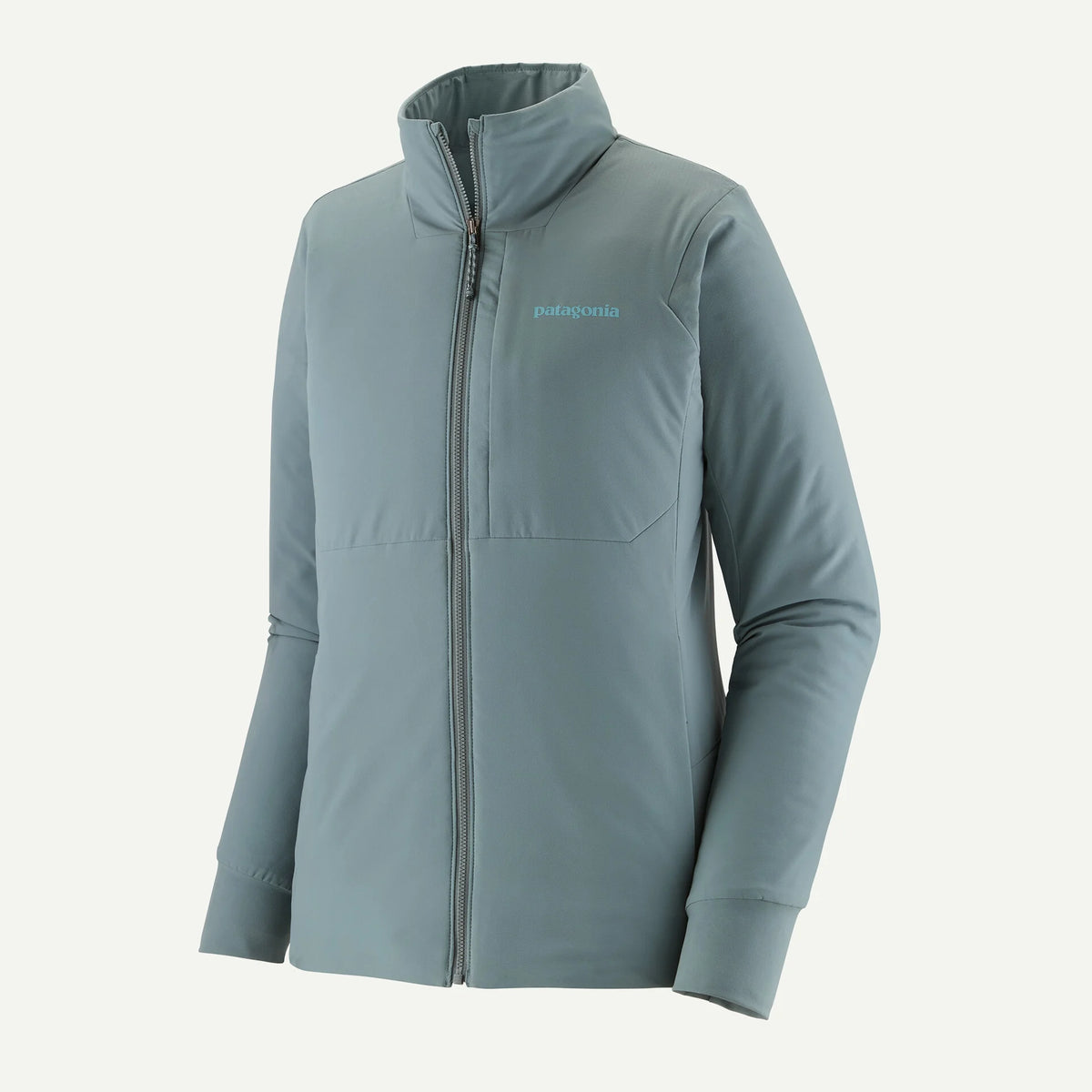

Patagonia just rebuilt the Nano-Air Light, with upgrades from the cuffs to the shell to the insulation. Is it finally good enough to take out the Arc'teryx Proton? From the outside, these two jackets look almost exactly the same. On the inside, they're built for very different amounts of cold.
I own and use both. For reference, I'm 6 feet tall and 180 pounds, and I'm wearing a large in both jackets.
Patagonia Nano-Air Light
Shell and Insulation
The shell is a 30D, 100% recycled fabric. It's not crazy durable, but it's plenty for hiking and moderate climbing. It's air permeable on purpose, built for breathability with a DWR finish for light drizzle and a little wind.
Inside is 40g of Patagonia's FullRange insulation. Patagonia calls it migration resistant, meaning it stays put and doesn't clump up or push through the fabric as you move. The whole jacket is built around moving.
Breathability and Warmth
The Nano-Air Light dumps heat fantastically, which is exactly what you want in active insulation. The flip side is that when you stand still, that heat leaves fast. This isn't a jacket for standing at a football game on a 20 to 30 degree day. If you're not moving, it won't keep you very warm.
Fit, Cuffs and Hood
It's stretchy and moves with me through the back, shoulders, hips, and chest. I didn't feel any loss in mobility. The cuffs are a big upgrade. The last version felt floppy and loose, and the new cuffs sit snug and responsive on your wrist so cold air stays out and warm air stays in.
The fit is trim and athletic. The large feels smaller than the Proton in the same size. It comes hooded or non-hooded. The hood is stretchy and mobile and fits under a helmet, but it isn't a storm hood. The non-hooded version is better if you'll layer it under a shell and don't want hoods stacking up at your neck.
Pockets
You get two hand pockets with no extra insulation and a large chest pocket. My phone slid right in with room for at least one more. The zippers are thin, lightweight, and climbing inspired.
Arc'teryx Proton Hoody
Shell and Fit
The Proton uses Fortius Air 20, a 20D nylon and elastane blend with a stretchy, soft feel. It's built to breathe and dump heat, just like the Nano-Air Light. I'd trust both against a rock face, but neither is built to drag up a slab.
In the same size large, the Proton is roomier. The Nano-Air Light is more trim and athletic, so keep that in mind when you choose a size. The cuffs are thinner than the Patagonia's but just as responsive.
Pockets
The hand pockets have a fleece lining, which keeps your hands warmer on cold days. The chest pocket is a little smaller than the Nano-Air Light's.
Insulation
This is the big difference. The Proton has 80g of insulation in the body and 60g in the hood, double what the Nano-Air Light uses. You feel it the second you stop moving. For cold weather backcountry skiing and snowboarding, or as an ice climbing mid layer, the Proton wins.
The Proton also comes in a lighter Proton SL and a warmer Proton Heavyweight if you want less or more insulation.
Hood and Hem Adjusters
The insulated hood warmed my head up in seconds. It's built more for climbing than for going over a big ski helmet, and it has an adjuster that cinches it down tight. On a windy ridgeline, no wind is getting in. The hem has cinches too, so the roomier body doesn't ride up and let cold air in when you reach overhead with ice tools or poles.
Downsides
The Proton runs warm. If you're hiking or climbing on a sunny 30 to 40 degree day in the desert Southwest, it might be too much jacket. If you sweat a lot and put off tons of heat, the Nano-Air Light is the better pick. At full retail, the Proton also costs more than the Nano-Air Light, so check the product pages below for current pricing.
Side-by-Side Specs
Patagonia Nano-Air Light
Shell: 30D, 100% recycled
Insulation: 40g FullRange
Fit: Trim, athletic
Hood: Stretchy and light, not insulated (hooded and non-hooded versions)
Hand pockets: Unlined
Best for: Running warm, high output, milder cold
Arc'teryx Proton Hoody
Shell: Fortius Air 20, nylon and elastane
Insulation: 80g body, 60g hood
Fit: Roomier
Hood: Insulated and adjustable
Hand pockets: Fleece-lined
Best for: Running cold, real winter, stop-and-go days
Our Verdict: Nano-Air Light or Proton?
The biggest difference is insulation. The Proton has twice as much, and it keeps you warmer. The Nano-Air Light breathes better when you're working hard.
- Run hot, moving nonstop, or it's not that cold out? The Nano-Air Light is built exactly for that.
- Get cold fast, or heading into snow, wind, and real cold? The Proton is the choice.
Neither one is a bad buy. They're built for different amounts of cold and different types of people.
FAQs
Is the Arc'teryx Proton warmer than the Patagonia Nano-Air Light?
Yes. The Proton has 80g of insulation in the body and 60g in the hood, compared with 40g in the Nano-Air Light, so it holds heat much longer when you stop moving.
Which is more breathable?
The Nano-Air Light. With less insulation, it dumps heat and moisture faster during hard efforts.
How do they fit?
In the same size, the Nano-Air Light runs trim and athletic, and the Proton runs roomier. I wear a large in both at 6 feet tall and 180 pounds.
Can you wear these under a shell?
Yes, both work as active insulation mid layers. If you'll mostly layer the Nano-Air Light under a hooded shell, the non-hooded version avoids stacking hoods at your neck.
Shop Active Insulation at Ridge and River
Shop the Patagonia Nano-Air Light Jacket in men's and women's, or the Arc'teryx Proton Hoody. Want to feel the difference for yourself? Try both on at our Levis Commons store in Perrysburg. For more comparisons, subscribe on YouTube and follow along on Instagram.